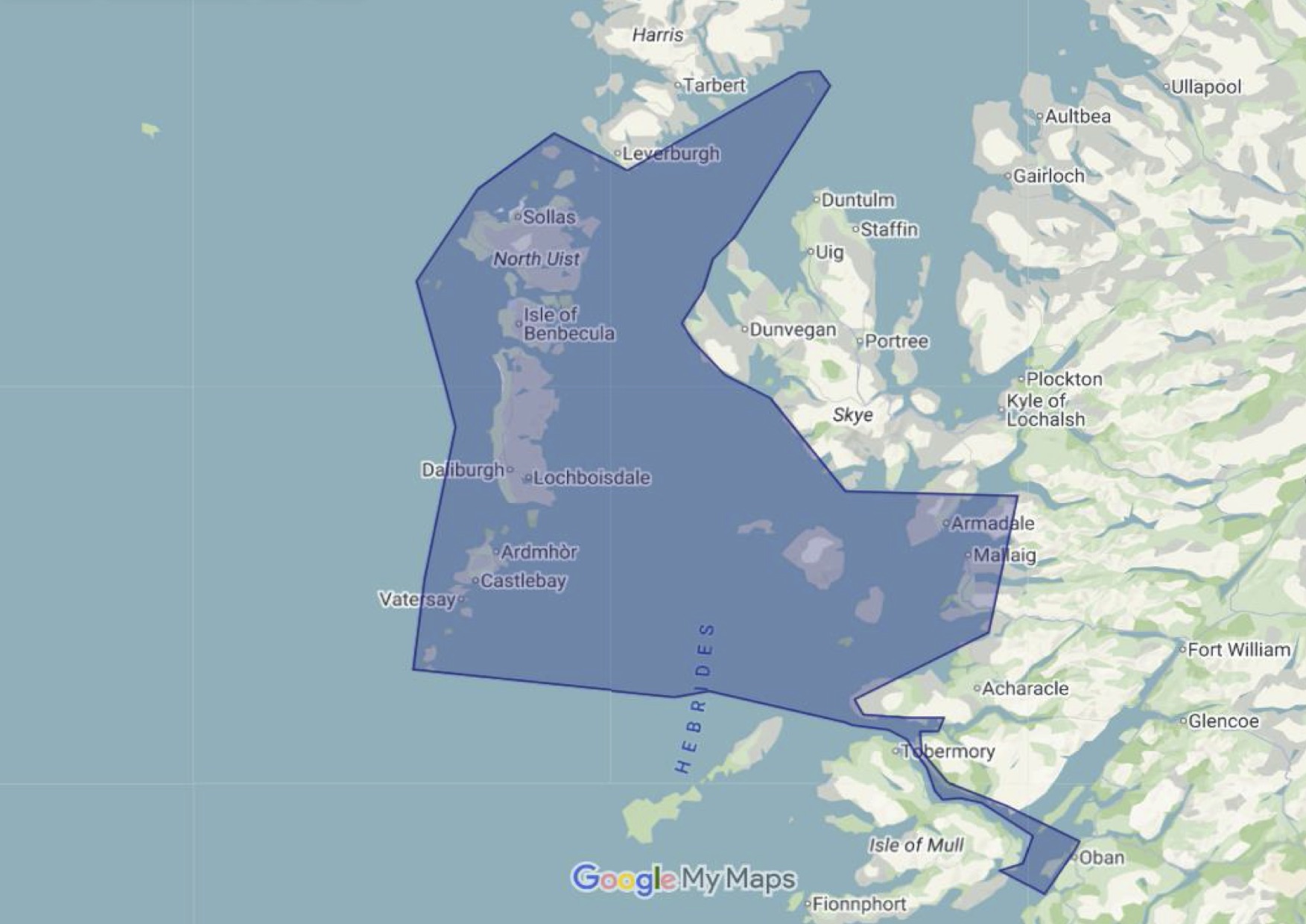
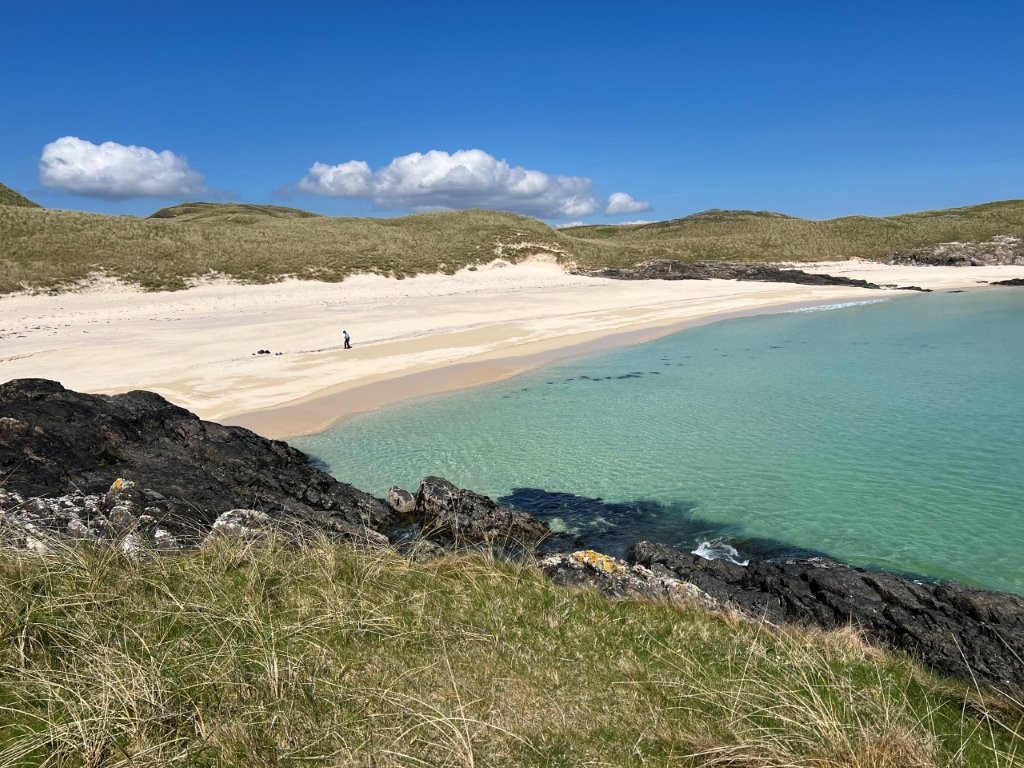
The Outer Hebridean islands form the most westerly chain of Scotland’s Western Isles. Defined by rocky coastlines, rugged hills and vast stretches of white sand fringed by turquoise waters, each island offers its own distinct character and sense of place.
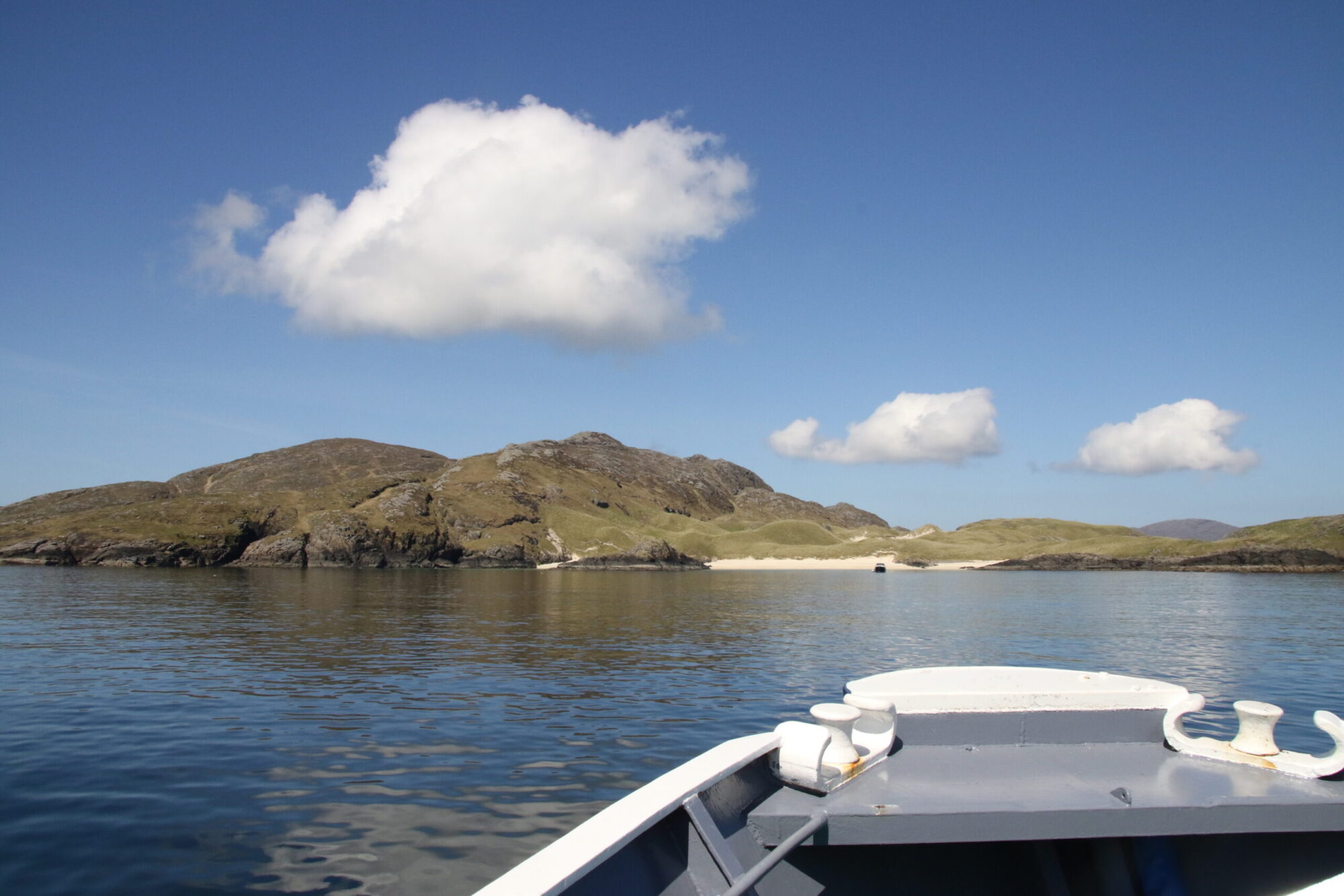
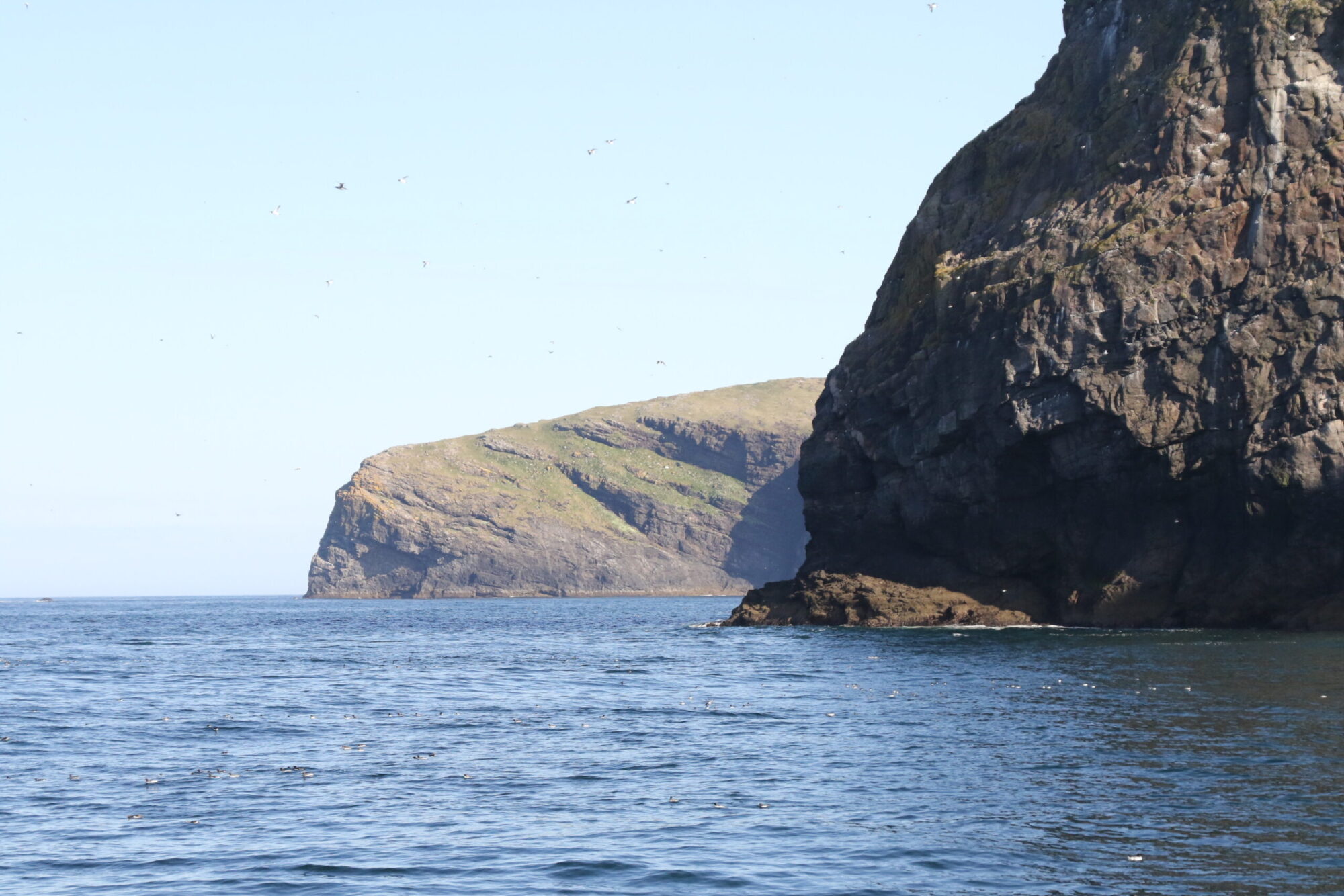
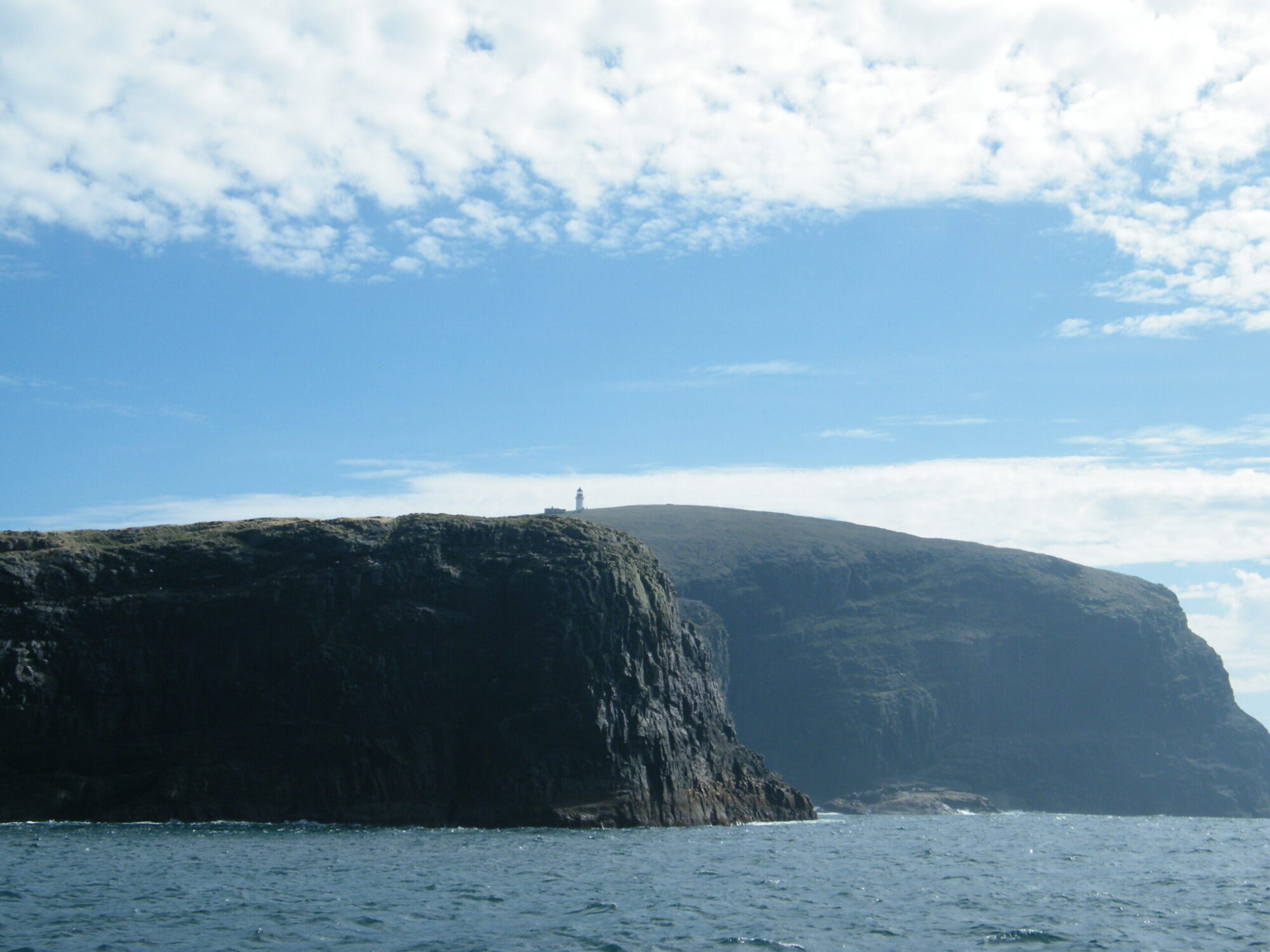
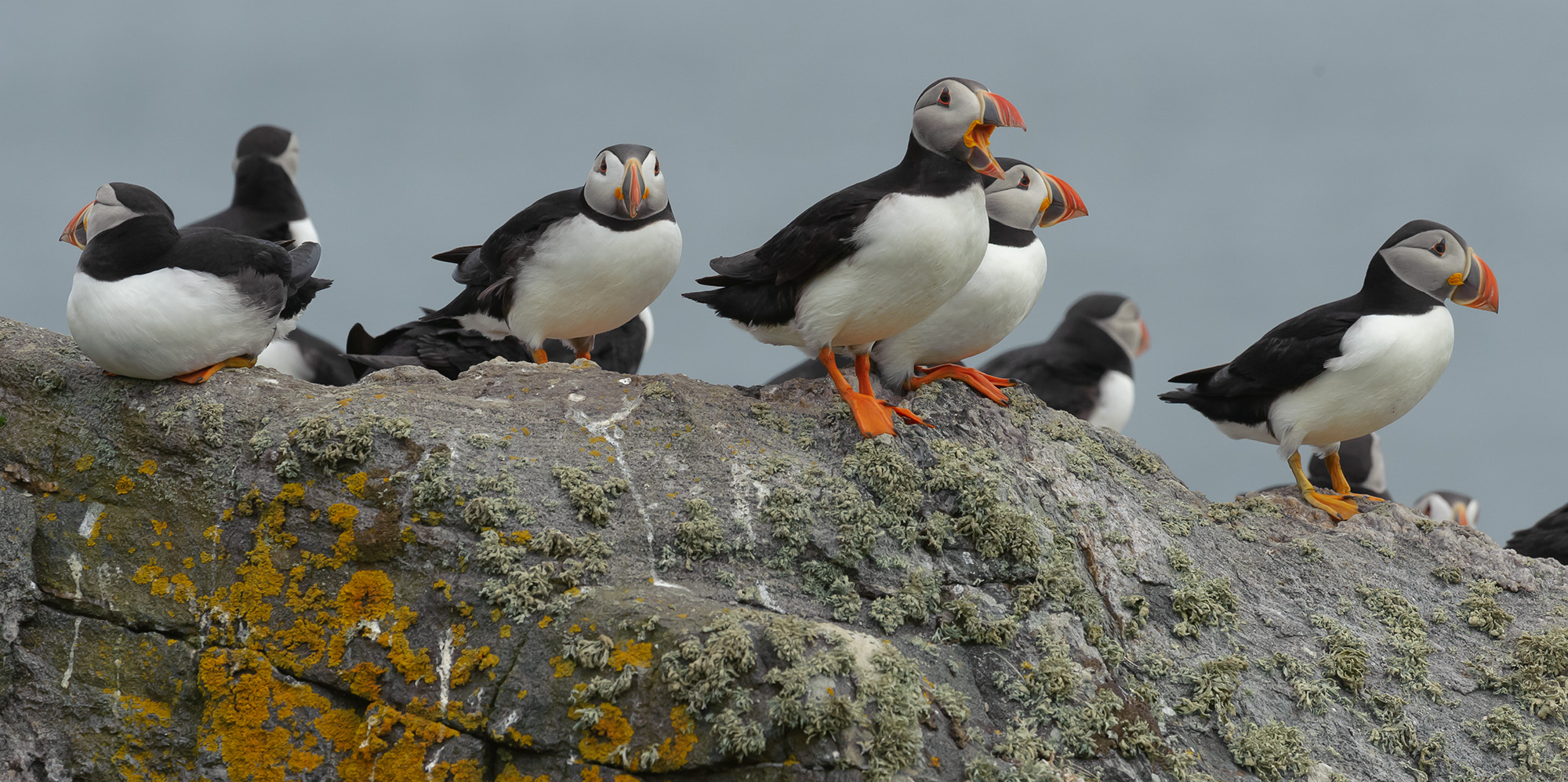
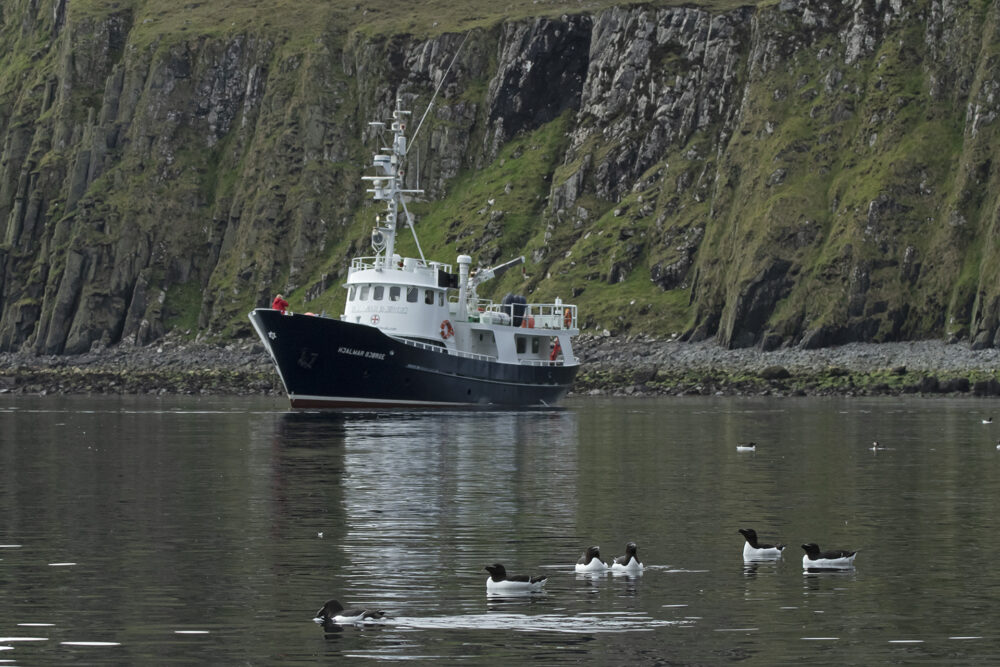
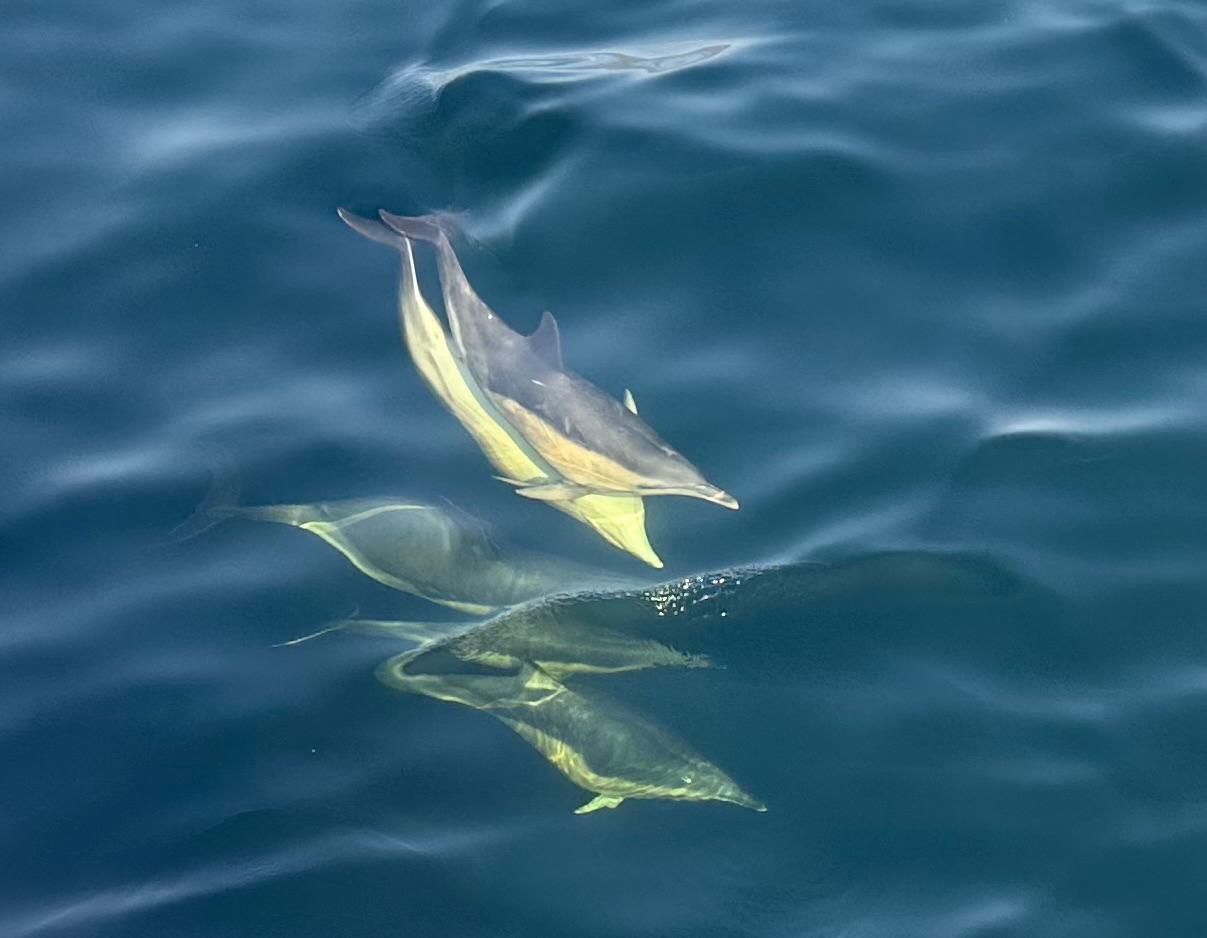
Towards the southern end lies Mingulay. Once home to a thriving community, the island is now uninhabited and rich in wildlife. Puffins, Guillemots and Razorbills nest on its cliffs, while the surrounding waters support seals, dolphins, Basking Sharks and Minke Whales, making this a superb area for wildlife watching both ashore and at sea.
Nearby lies a scatter of equally fascinating islands, including Sandray — rumoured to be the Queen’s favourite — along with Pabbay, Vatersay and Barra, each adding its own blend of landscape, wildlife and history to the journey.
Further north, on the western side of the island chain, lie the Monach Isles. These low-lying islands are home to vast numbers of nesting seabirds, supported by rich machair grasslands that are carpeted with wildflowers at certain times of year.
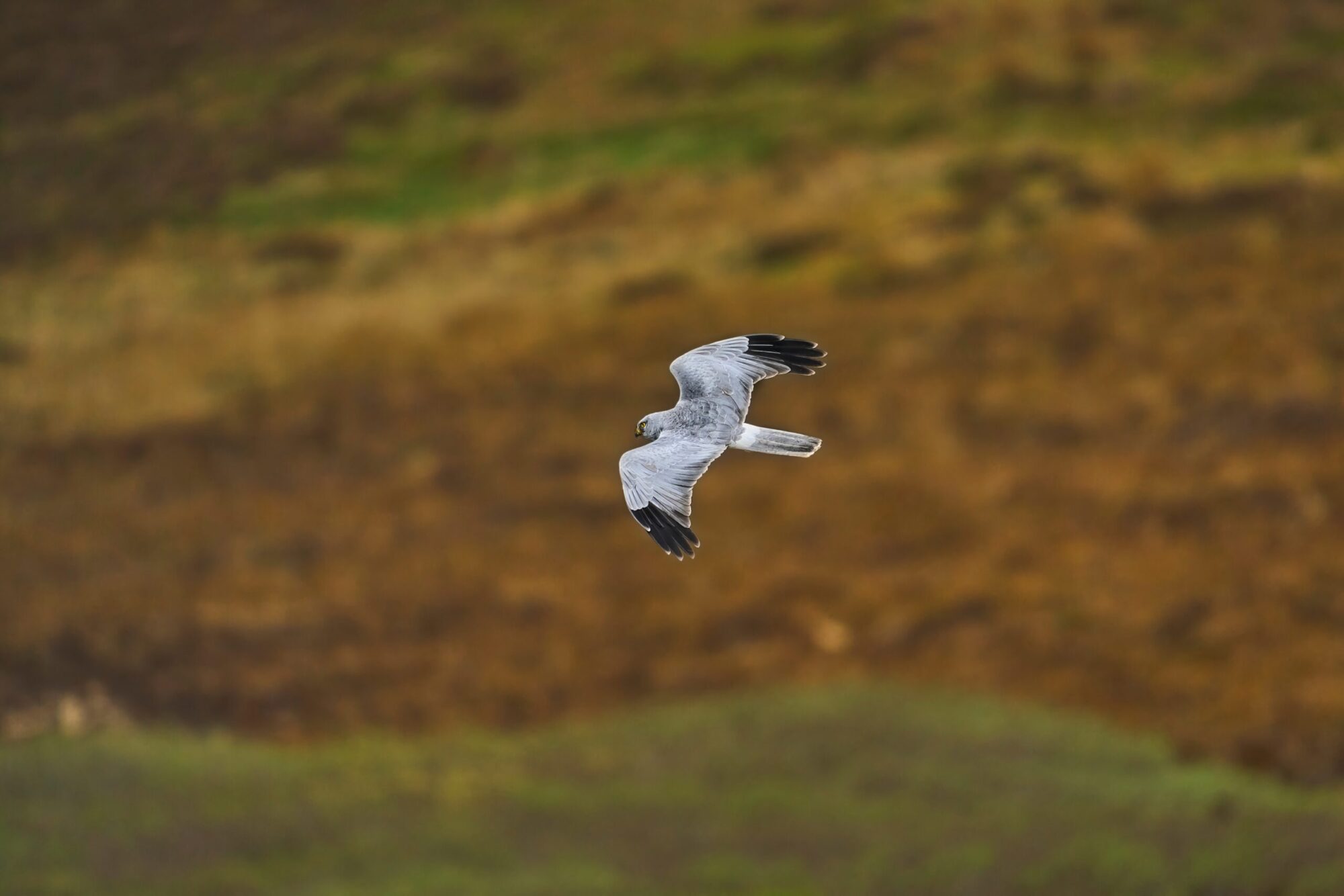
The North Uist and South Uist are famed for their fine white sand beaches and extensive wetland habitats. These islands support a wide variety of birdlife, including Golden Eagles and Black-throated Divers, as well as healthy populations of seals and otters.
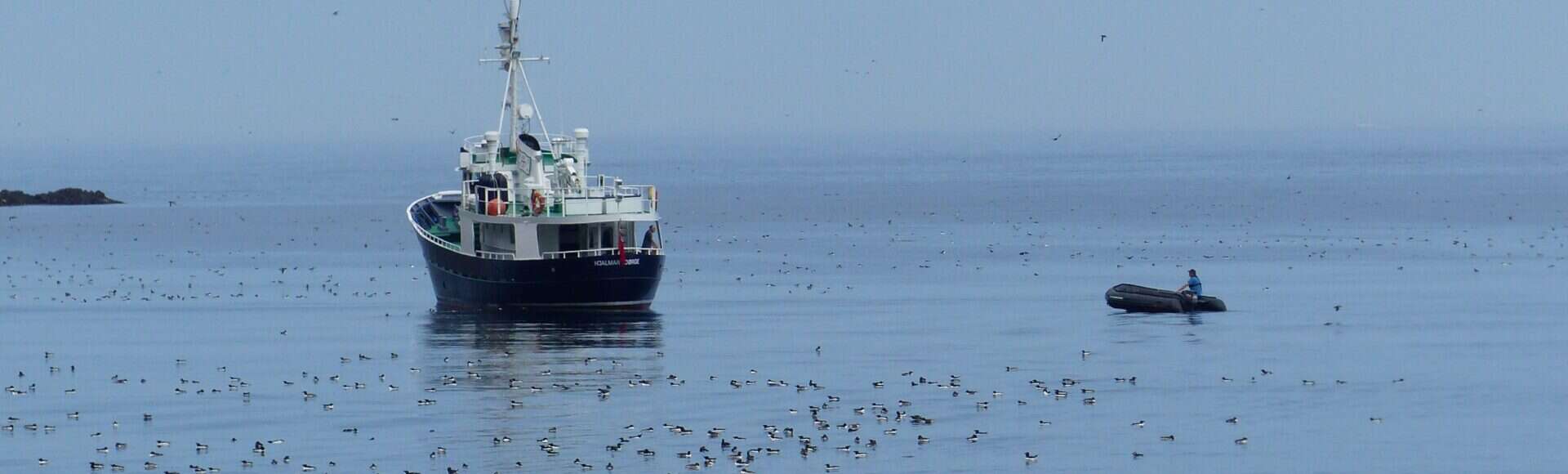
Passing through the Sound of Harris and out into the Minch, we reach the Shiant Isles — sometimes known as the “Enchanted Isles.” Lying southeast of Lewis, the Shiants combine dramatic scenery with exceptionally dense seabird colonies. Razorbills, Guillemots and Kittiwakes nest here alongside an estimated 60,000 pairs of Puffins. In favourable conditions, we may be able to land and explore this remarkable haven for bird enthusiasts.
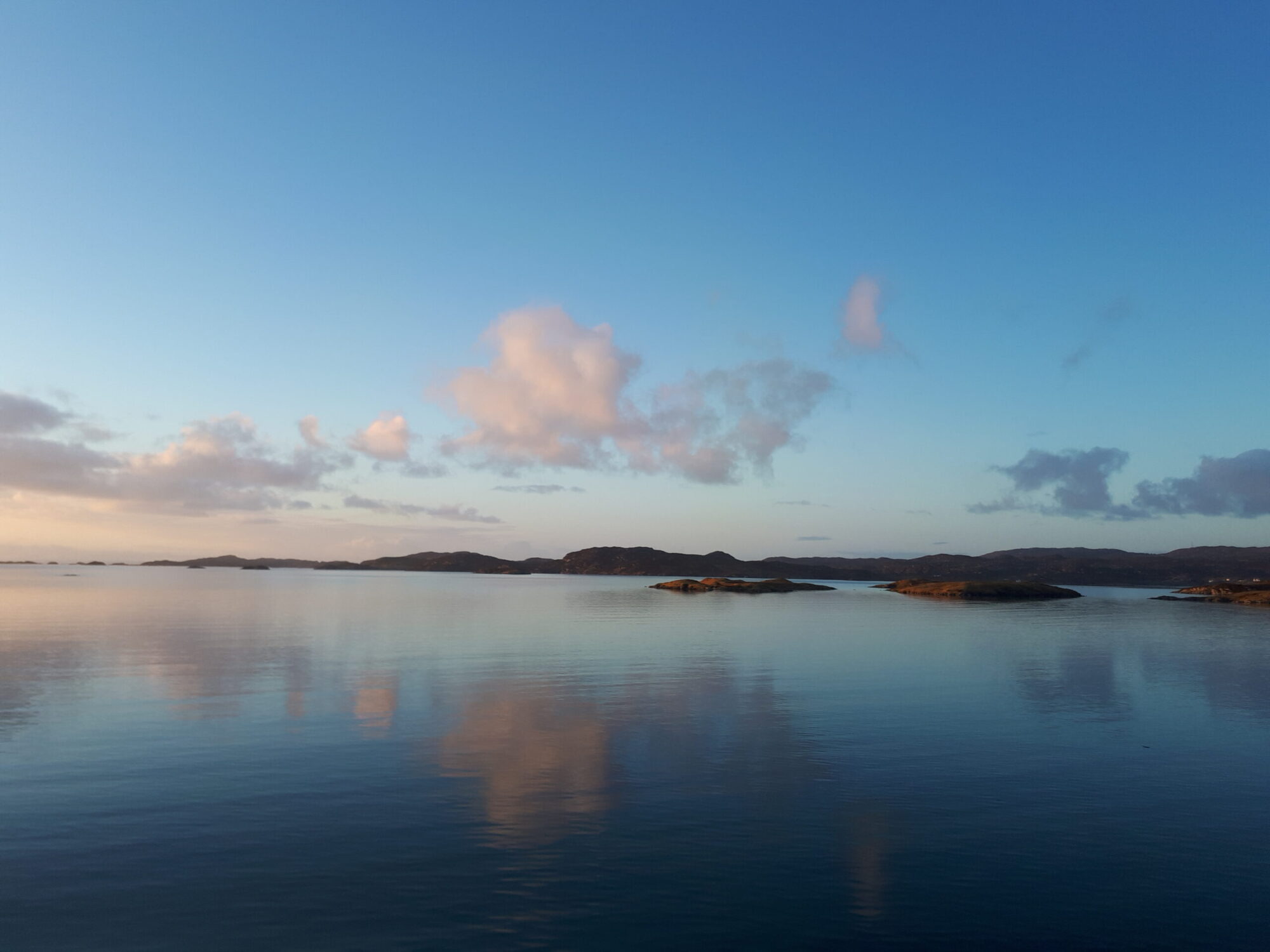
In the evening, the sound from the nesting cliffs and circling birds can be prodigiously loud, but as the sun lowers and activity fades, a deep tranquillity settles over the islands — a fitting end to days spent exploring some of the Hebrides’ richest wildlife landscapes.